The goal of the project is to improve the participation of young people in decision-making at the local level, by empowering employees of local self-government units who work with young people and members of youth councils.
Project Objectives
The primary aim of the project is to enhance youth engagement in local policymaking by strengthening the capacities of at least 100 youth municipality officers and 100 youth council members
Project partners will develop:
1. MOOC (massive online course) for city government employees, adapted to national contexts in Croatia, Italy, Cyprus and Romania, developed in collaboration with end users and their needs.
2. Complementary MOOC for youth council members, adapted to the roles of youth councils and the individual national legislative framework.
3. An advocacy manual with guidelines, templates and recommendations for the improvement and dissemination of youth policies.
The project is implemented in partnership with the Croatian Youth Network , EUROPIAMO ETS (Italy), Cyprus Youth Council (Cyprus) and A4Action (Romania).
Key Activities and Events
- Transnational Partner Meetings (TNPMs)
Three key physical meetings are planned to coordinate the consortium:
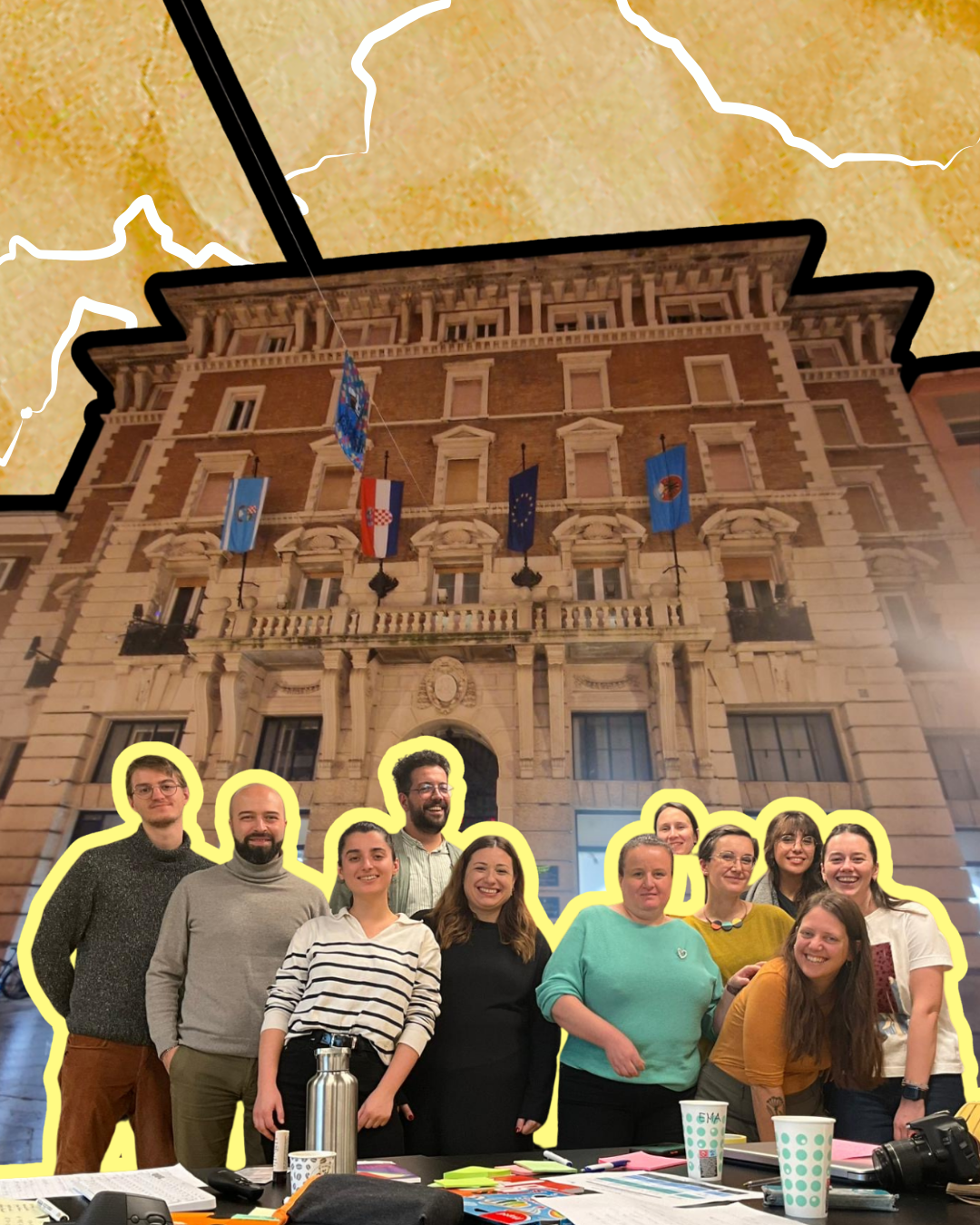
- Rijeka, Croatia: To establish a common research framework and pedagogical approach for the first MOOC. (Kick off TPM 14-17 January 2026)
- Italy: A mid-term meeting to evaluate the first MOOC and set objectives for the second
- Cyprus: A final meeting to assess overall project impact and finalize the Advocacy Toolkit
B. Research and MOOC Development
Needs Analysis: Each partner will conduct desk research and organize focus groups with municipal officers and youth council members per country to gather data for the courses.
MOOC Creation and Piloting: Two Massive Open Online Courses will be developed and translated into five languages (English, Croatian, Italian, Greek, and Romanian).
Advocacy Stakeholder Meetings and Webinars: Organisation of meetings per country will be held to validate the Advocacy Toolkit’s recommendations with policymakers and key stakeholders and creation of webinars as multiplier events.
The project runs from 1 November 2025 to 30 April 2028 and is co-financed by the European Union from the Erasmus+ programme.